Car Recovery for Vehicles Stuck on Muddy, Snowy or Grassy Ground
Getting stuck in soft ground is a frustrating experience that can happen to even the most experienced drivers. Whether it's a muddy country lane, a snow-covered road, or a patch of wet grass, these situations can leave your vehicle completely immobilised. In such cases, professional car recovery is often the safest and most effective solution.
This guide covers why vehicles get stuck, how recovery works, and what to do.
Why Vehicles Get Stuck in Mud, Snow, or Grass
Cars can become trapped for several reasons, but mud, snow, and grass are particularly common culprits — especially in rural areas, during bad weather, or at outdoor events where parking is unpaved.
Mud becomes a problem when rain or water saturation softens the ground, causing tyres to sink and lose traction. As the wheels spin, they dig in deeper, making it harder to escape. Grass can lead to similar trouble, especially after rainfall, when firm-looking turf turns into a slippery surface. In both cases, car recovery is often the safest way to get the vehicle moving again.
Snow brings its own challenges. When snow covers the road, the tyres may lose grip entirely. Icy patches underneath the snow make it even more difficult for the vehicle to move, often causing skidding or wheel spin. Vehicles left in snowy conditions for long periods may also freeze in place, further complicating matters.
In all these situations, drivers often attempt to move the vehicle by accelerating harder, turning the wheels, or rocking the car back and forth. Unfortunately, these efforts typically worsen the situation by embedding the wheels deeper or causing mechanical stress. That’s why calling for help — often through searches like car recovery near me — is the right step forward.
How Recovery Professionals Handle Terrain-Related Incidents
Recovering a vehicle stuck in mud, snow, or grass requires more than just pulling it with force. Professional recovery teams use proven techniques and specialised equipment to ensure the vehicle is removed safely without causing unnecessary damage.
The process begins with a site assessment. Recovery specialists will examine how deep the vehicle is stuck, what kind of surface it's on, and whether there’s any risk of further sinking or damage. They’ll also determine the safest direction in which to recover the vehicle, avoiding areas where the ground is unstable.
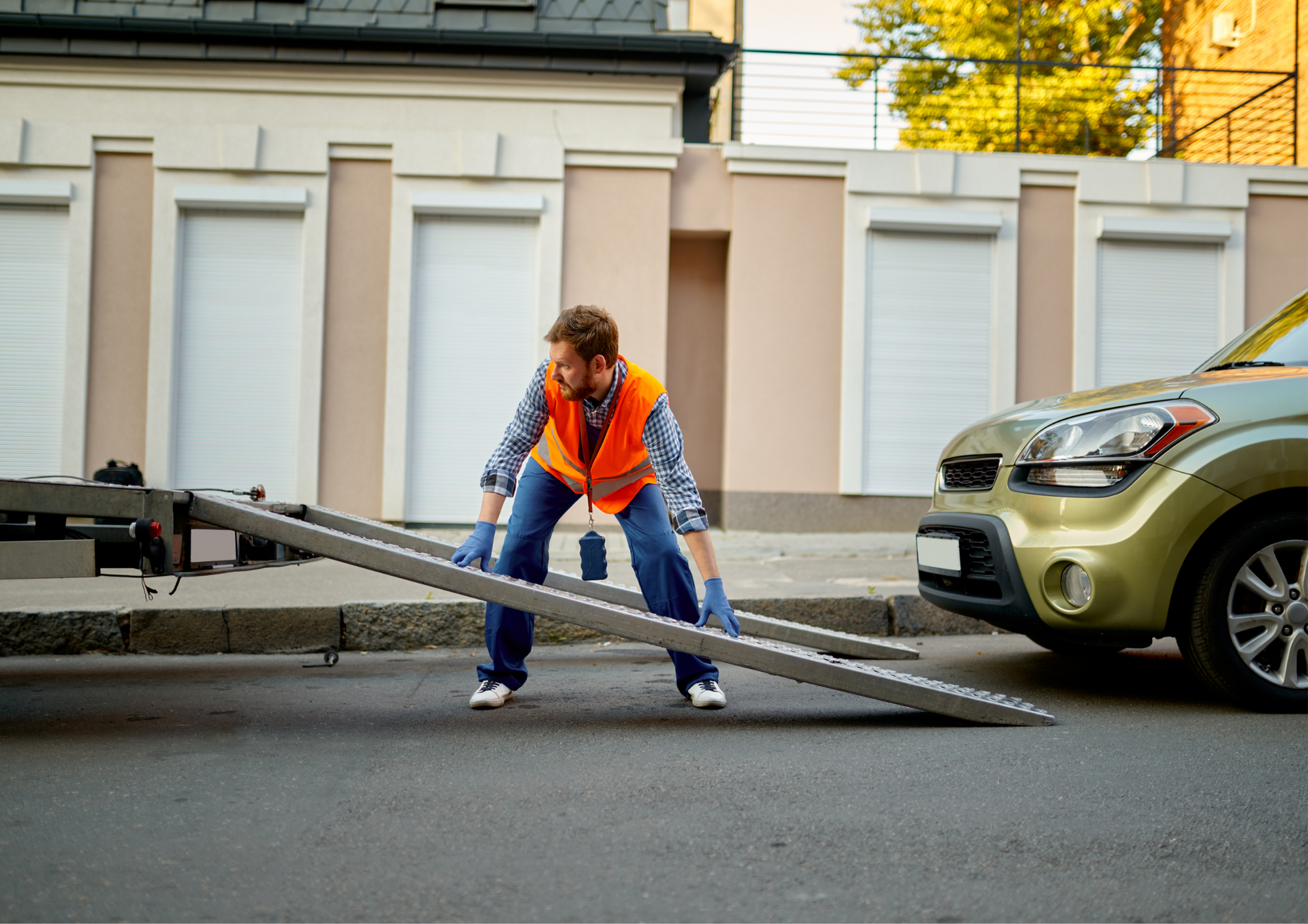
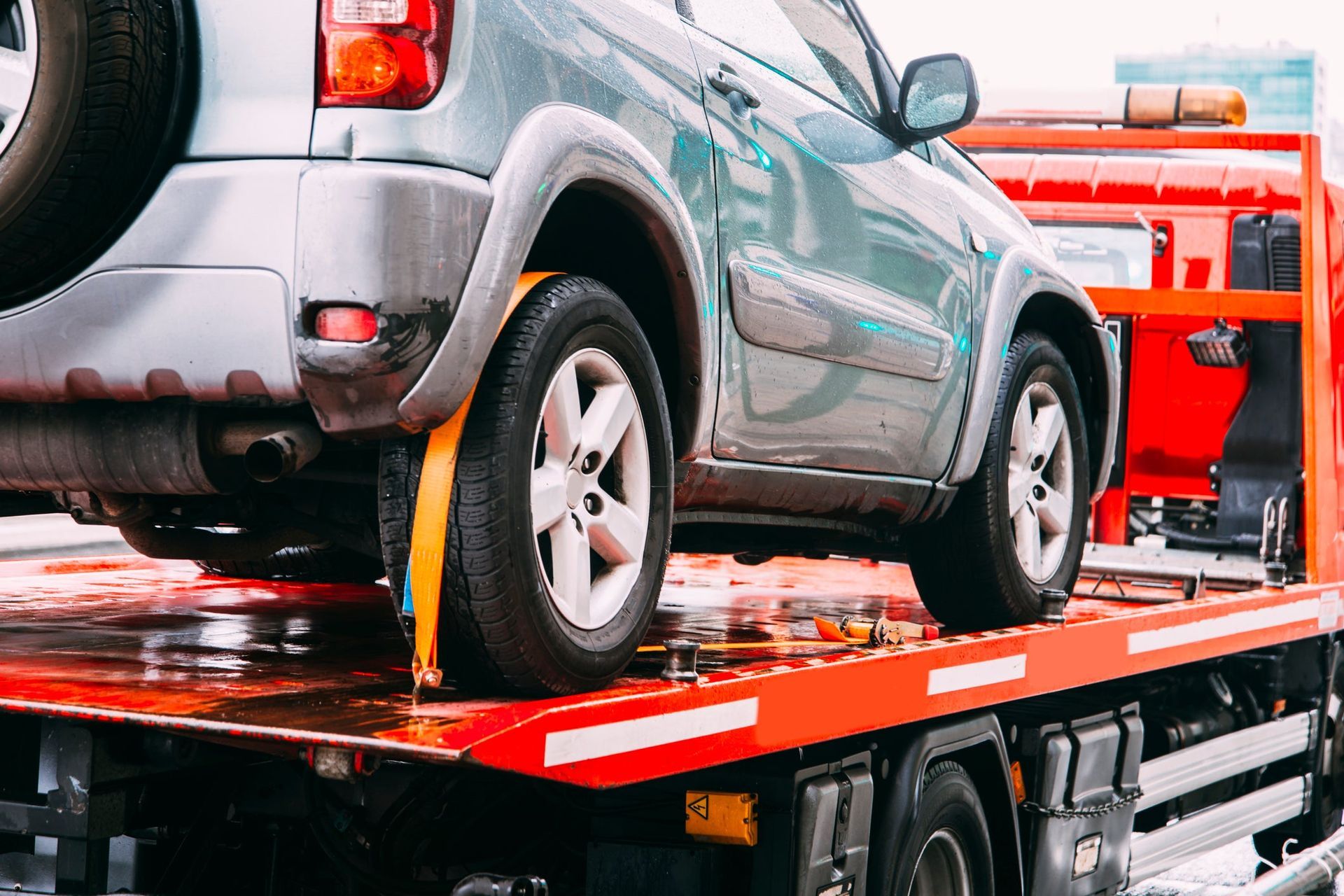
If the wheels are spinning freely or partially buried, recovery experts may use grip mats or wheel tracks to provide traction. In deeper mud or snow, a winch is often attached to pull the vehicle gradually onto solid ground. Flatbed recovery vehicles may be used in cases where the car cannot be driven at all, especially if it has sustained underbody damage from being stuck.
The recovery team’s goal is always to complete the job with minimal disruption and no further harm to the vehicle. For this reason, self-recovery attempts are discouraged. Without the correct tools or knowledge, it’s easy to damage components like the suspension, exhaust, or undercarriage.
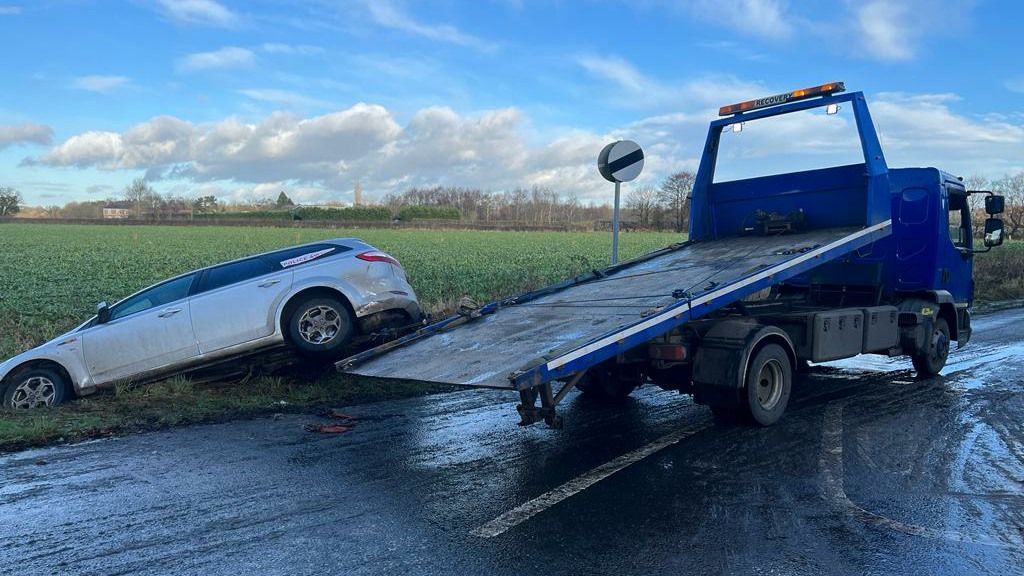
In some situations, terrain-specific breakdown recovery solutions may be needed, especially if the vehicle is in a ditch, on a slope, or surrounded by soft ground. Professionals are trained to manage these variables while keeping both the driver and vehicle safe throughout the process.
What to Do If You Get Stuck in Mud, Snow, or Grass
If your vehicle becomes stuck, the best approach is to stay calm and avoid making the situation worse. The first and most important step is to stop accelerating. Continuing to spin the wheels usually only embeds the tyres deeper into the ground.
Check your surroundings to make sure it's safe to exit the vehicle. If you're stuck in a remote or poorly lit area, switch on your hazard lights and remain visible. Attempting to dig out the tyres or place items like cardboard under the wheels may provide minimal traction, but this is rarely effective without professional tools.
If conditions are slippery or visibility is poor, exiting the vehicle could be dangerous — especially if you’re near a road or on a slope. In such cases, stay inside with your seatbelt fastened until help arrives. Once you’ve assessed the situation and determined that assistance is needed, contact a trusted car recovery service that has experience in dealing with stuck vehicles.
Make sure to provide accurate details about your location, the surface you're stuck on, and the condition of your vehicle. This helps the recovery team prepare properly and bring the right equipment for the job.
It’s also helpful to know if you have any cover through services, as some policies may include assistance for vehicles stuck in challenging terrain. However, not all providers will handle off-road or non-standard recoveries, so it's wise to contact a specialist recovery service when in doubt.
Vehicles Commonly Recovered from Grass, Mud, or Snow
Terrain-related recoveries don’t just involve cars. Many types of vehicles are affected by soft or slippery surfaces, and recovery providers are trained to assist with a wide range of vehicles in difficult environments.
Small cars, particularly front-wheel drive models, are the most likely to get stuck in soft surfaces. Their lower ground clearance and lighter weight mean they’re more prone to spinning or sinking when traction is lost. On grassy or muddy surfaces, they often struggle to regain grip without assistance.
Vans and larger vehicles can become trapped as well, especially when fully loaded. A heavy van parked on soft ground can sink quickly, and once embedded, the extra weight makes it difficult to move without specialist equipment. These vehicles may require reinforced towing points and stronger winching capabilities to extract safely.
Getting stuck in mud, snow, or grass is more common than many drivers realise, especially in areas where road conditions can change quickly. What starts as a routine journey or simple parking job can quickly become a stressful and immobilising situation. Trying to resolve the problem without proper tools often makes it worse — risking damage to the vehicle and danger to the driver.
That’s why professional car recovery services are so important. With the right knowledge, equipment, and experience, recovery teams can retrieve vehicles safely, efficiently, and without causing further harm. Whether you’re in a city like Rotherham or a rural part of the country, knowing who to call can save time, stress, and repair costs.
At
Recovery Rotherham, we specialise in helping drivers out of difficult terrain. Whether you’re stuck in soft mud, snow-covered roads, or wet grass, our experienced team is equipped to respond quickly and recover your vehicle safely. We understand the frustration and stress that comes with getting stuck — and we’re here to make things easier.
Latest post on X: Stuck off-road?
Car recovery for mud, snow, and grass explained!
You might also like